Reward Gaming and the Future of Mobile Apps
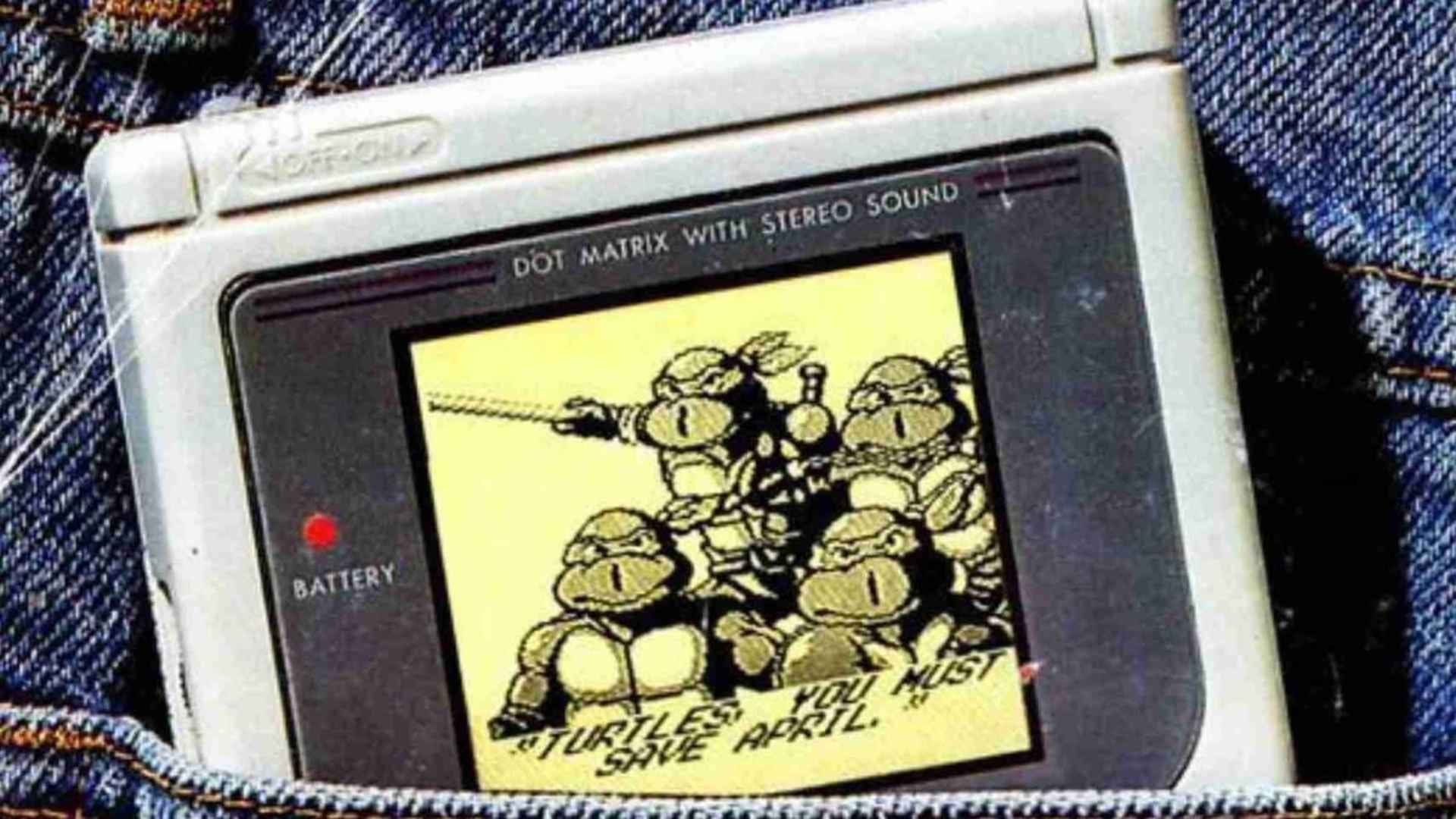
The landscape of mobile entertainment is undergoing a fundamental shift as developers move beyond simple gameplay loops to integrate comprehensive reward systems. This evolution reflects a growing consumer demand for digital experiences that provide tangible value alongside high-quality entertainment. As smartphones become more powerful, the potential for sophisticated incentive structures continues to expand, reshaping the future of the app economy.
The Shift Toward Value-Driven Gaming
Modern players are increasingly seeking applications that respect their time and effort through meaningful digital or physical incentives. This transition has led to the rise of play-to-earn models and skill-based platforms that challenge the traditional dominance of purely recreational titles. By aligning player achievements with real-world utility, developers are fostering deeper long-term engagement and community loyalty.
As this sector matures, the focus is shifting from simple point accumulation to complex ecosystems involving digital assets and specialized currencies. These systems provide a sense of progression that extends far beyond the confines of a single gaming session. This trend is expected to continue as more mainstream developers adopt these innovative monetization and retention strategies.
Technological Advancements in Mobile Incentives
The integration of advanced technologies like blockchain and secure digital wallets is providing a more transparent foundation for gaming rewards. These tools ensure that every victory and achievement is recorded accurately, allowing for seamless transfers and verifiable ownership of digital items. Such transparency is crucial for building trust between the application providers and their global user base.
Furthermore, artificial intelligence is being used to create more personalized reward paths tailored to individual player behaviors and preferences. By analyzing data in real-time, platforms can offer challenges that are neither too easy nor too difficult, maintaining a perfect balance of motivation. This level of customization ensures that the experience remains fresh and exciting for players of all skill levels.
The Role of Competitive Platforms and Community
Competition remains a central pillar of the reward gaming experience, driving players to refine their strategies and improve their performance. Many successful apps now feature global leaderboards and tournament modes where the stakes are significantly higher than in casual play. For those looking to explore a variety of competitive environments, m88 toto offers a platform where users can engage with diverse gaming options and structured rewards. These competitive frameworks encourage a sense of sportsmanship and provide a clear path for professional growth within the digital space.
Community features are also becoming more integrated, allowing players to share strategies, celebrate wins, and participate in group-based challenges. Social connectivity enhances the overall value of the platform, transforming a solitary activity into a shared cultural experience. This social layer is essential for the sustainability of mobile apps in an increasingly crowded digital marketplace.
Future Outlook for Reward-Based Entertainment
Looking ahead, the lines between traditional finance, social media, and mobile gaming will likely continue to blur as integrated ecosystems become the norm. We may see more cross-platform compatibility where rewards earned in one application can be utilized or exchanged within another. This interoperability will create a more fluid digital economy, giving users greater control over their virtual assets.
As the industry moves toward 2026 and beyond, regulatory clarity and improved security measures will be paramount to sustaining growth. Developers who prioritize player safety and fair play will be best positioned to lead the next generation of mobile entertainment. The future of mobile apps lies in creating a harmonious balance between fun, fairness, and functional rewards.