Why People Enjoy Predicting The Outcome Before Every Rotation
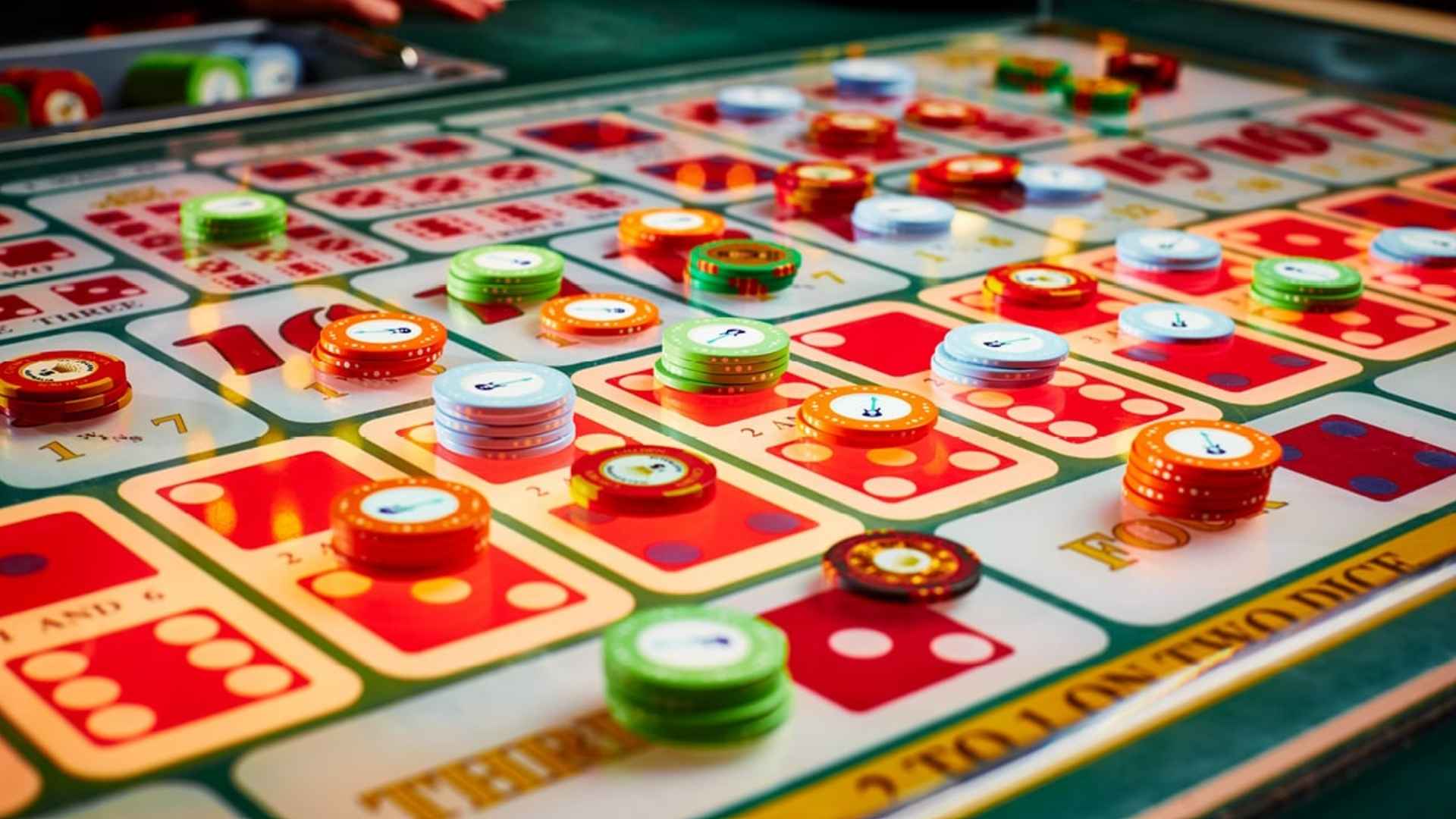
Before initiating a spin or watching a wheel turn, many individuals experience a strong urge to guess where the pointer will finally stop. This instinctive habit transforms a simple mechanical motion into an active personal experiment. By voicing a guess or forming a mental commitment, participants shift from passive onlookers into deeply invested observers.
The Psychology of Predictive Engagement
Human cognition operates as a continuous forecasting engine that constantly evaluates physical movements and spatial patterns. Stating an expectation right before a spin activates neural reward pathways associated with anticipation. This mental declaration heightens focus, making the eventual reveal significantly more captivating.
When an individual commits to a prediction, their brain closely monitors the decelerating rotation to measure accuracy. This internal dynamic creates a momentary wave of suspense that elevates casual activities into memorable experiences. Even minor predictions can generate an enjoyable sense of personal involvement.
The Illusion of Control in Random Events
Calling an outcome beforehand often gives participants a subtle sense of agency over fundamentally unpredictable processes. Psychological research shows that people naturally seek influence in chance environments to lower uncertainty. Expressing a choice creates a psychological connection between the observer and the physical spin.
This mental habit turns pure statistical chance into a personalized challenge against probability. When individuals explore platform updates on sites like depo boss, they often observe how user engagement hinges on this very thrill of expectation. By aligning oneself with a specific slice, every tick of the wheel feels meaningful.
Dopamine Surges and Reward Processing
Neuroscience indicates that dopamine release peaks during the period of waiting rather than at the final moment of arrival. Making a pre-spin prediction extends this anticipatory phase, boosting the emotional impact of the activity. The brief pause between the prediction and the result provides an immediate mental charge.
If the final outcome matches the guess, the brain receives a satisfying confirmation signal that reinforces self-confidence. Conversely, a close miss triggers cognitive curiosity, encouraging the observer to try again. This cycle explains why predictive guessing remains universally engaging across different social settings.
Social Dynamics and Group Excitement
In group environments, verbalizing predictions introduces a fun element of friendly competition among participants. Watching a wheel settle while multiple people cheer for different sections creates a vibrant shared dynamic. It replaces silent observation with active conversation and collective excitement.
This shared anticipation allows groups to experience the high energy of unpredictable results together. Whether used in casual party games or interactive visual presentations, calling the result beforehand maximizes entertainment. Ultimately, the simple act of predicting turns every rotation into an intriguing story of chance.